in today's era of globalization, more and more companies are choosing to relocate servers to malaysia to take advantage of its superior network infrastructure and data center services. however, server relocation is not a simple task and requires systematic planning and execution. this article will detail the steps for relocating your server to malaysia to ensure your migration process is smooth and worry-free.
before proceeding with server relocation, you first need to conduct a comprehensive assessment of the current server environment. including hardware configuration, operating system version, applications, databases and network settings, etc. understanding your existing environment can help you determine the amount of data that needs to be relocated, application dependencies, and potential technical risks. in addition, current business needs and future expansion plans need to be considered during the assessment process to ensure that the new environment can meet these needs.
having a detailed relocation plan is key to a successful move. the following aspects need to be included in the plan: migration timeline, assignment of responsibilities, resource requirements, and budget. a good relocation plan should clearly outline the timing of each step, ensuring that everyone involved understands their responsibilities. at the same time, you also need to consider how to minimize the impact on the business during the migration process, such as choosing to migrate during off-peak periods to ensure business continuity.
choosing a suitable malaysian data center is the basis for a successful relocation. you need to evaluate the data center's infrastructure, network connectivity, service quality, security measures, etc. it is recommended to choose data centers that have a good reputation in the industry and meet international standards. also consider data center geography to ensure minimal latency to your user base. it is also very important to understand the service terms and technical support capabilities of different data centers.

in the process of server relocation, data backup is an indispensable step. ensure all critical data is fully backed up before migration to prevent data loss. when backing up, you can choose to use cloud storage, an external hard drive, or other media for backup. after the data backup is completed, it is recommended to conduct a recovery test to verify the integrity and availability of the backup. this way, you can rest assured that your data is safe during the migration process.
after all preparations are completed, you can start the migration operation. migrate servers and data step by step according to a pre-planned plan. you can choose to migrate manually or use automated tools, depending on the complexity and scale of the migration. during the migration process, be sure to monitor the progress of the migration so that possible problems can be resolved promptly. in addition, it is recommended to conduct system testing after migration to ensure that all applications and services are functioning properly.
after the migration is complete, you need to monitor the new environment to ensure the normal operation of the system. monitoring network performance, server load, application response time, and more can help you identify and resolve potential issues in a timely manner. at the same time, you can also optimize the system based on monitoring data to improve server performance and stability. in addition, regular system maintenance and updates are performed to ensure that the server can continue to meet business needs.
although the process of server relocation to malaysia is complicated, through systematic assessment, detailed planning and careful execution, risks can be greatly reduced and the success of the migration can be ensured. it is recommended that during the relocation process, you make full use of the experience and technical support of the professional team to solve technical challenges more effectively. at the same time, close communication with the data center is maintained to ensure that problems encountered during the migration process can be resolved in a timely manner. finally, regularly review and optimize your server environment to adapt to future business needs.
- Latest articles
- How To Choose A Suitable US Group Website Server Configuration For Small And Medium-sized Webmasters
- A Brief Discussion On The Best Practices For Security Reinforcement And Protection Of Server Groups In The United States
- How To Evaluate The Role Of Servers In South Korea And The United States In Disaster Recovery Plans
- How To Interpret The US Hosting Server Rankings To Help Businesses Make The Right Choice
- Practical Strategies For Traffic Scheduling And Link Backup In Low-latency Hong Kong Server Hosting
- Where Is The Best Server Hosting In Hong Kong? Recommended Providers That Support Rapid Launch And Flexible Expansion.
- How To Choose Singapore Cn2vps To Get Stable And Low Latency Connection
- Hong Kong Telecom Cloud Server Security Compliance Requirements And Data Protection Practice Points
- Historical Record Review: Case Analysis Of Hong Kong Nnt Computer Room Address Migration And Expansion
- The Advantages Of Hong Kong Computer Room, The Fastest In China, In Financial Transactions And Game Acceleration
- Popular tags
-
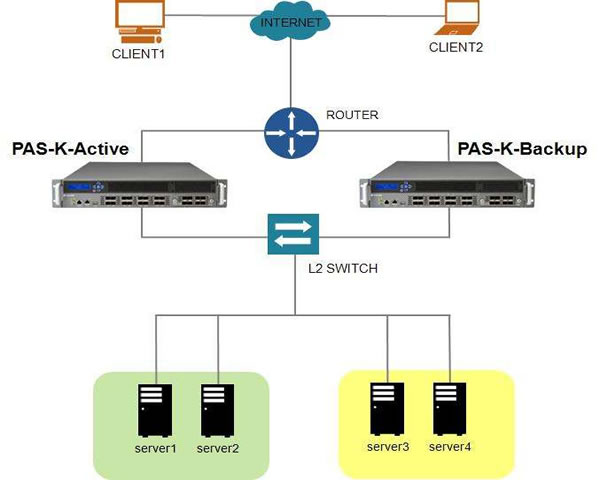
The Abbreviation Of Malaysian Server And Its Application In The Industry
this article explores the abbreviation of malaysian server and its application in the industry, providing professional insights and analysis suitable for practitioners in the web hosting and data center industry. -
Key Compliance And Security Considerations For The Financial Industry When Choosing High-Security Servers In Malaysia
Key considerations for compliance and security in deploying advanced security servers in the financial industry in Malaysia, covering local regulations, data sovereignty, DDoS protection, host and application security, monitoring and emergency response, SLAs and disaster recovery, as well as recommendations for reviewing the qualifications of partners. -

Evaluation Of The Actual Performance Of Triple Network Cn2 In Malaysia
this article evaluates the actual performance of triple network cn2 in malaysia and analyzes its network quality, speed and stability.